
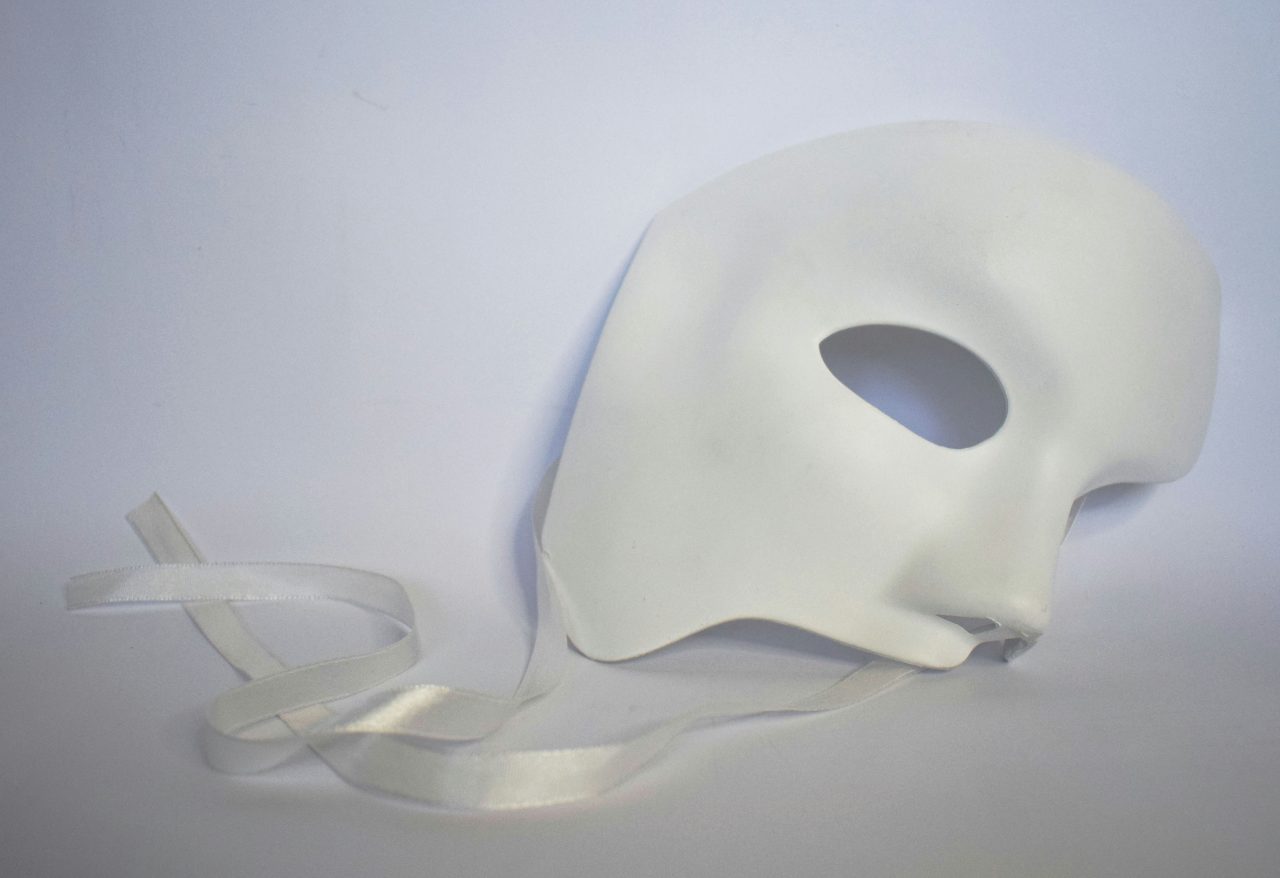
What is Masking?
Masking refers to the conscious or unconscious effort to hide or suppress autistic traits in order to fit in or meet neurotypical social expectations. This behavior can involve mirroring neurotypical social cues, downplaying stimming, and changing your communication styles. I have found personally that forcing eye contact or a smile due to social pressures has led to a feeling of exhaustion, but not doing so can lead to others perceiving me as “rude”. It’s important that we understand the differences in how everyone presents themselves socially and to take time to understand others instead of jumping to conclusions.
Why Do Autistic Individuals Mask?
- Social Acceptance: Many autistic individuals learn from a young age that their behaviors or communication styles may be viewed as “different.” To fit in, they may feel pressured to mask their true selves in social situations.
- Avoiding Judgment: Fear of being misunderstood or stigmatized can drive individuals to hide their autistic traits. This can be particularly true in environments that are not supportive or understanding. Being perceived as “blunt”, “rude”, or “socially awkward” can be hurtful and unhelpful.
- Professional Expectations: In the workplace, there is a lot of pressure to conform to neurotypical standards. Many autistic individuals feel they must mask to be seen as competent or to stay employed.
The Impacts of Masking
Masking can have significant long-term consequences:
- Mental Health Issues: Continuous masking can lead to increased levels of stress, anxiety, and depression. The effort required to mask can be exhausting and may result in burnout.
- Loss of Identity: Over time, individuals may struggle to understand who they are beneath the mask. This can lead to feelings of disconnection from one’s true self and a diminished sense of identity which is a topic I often come across with my neurodivergent clients.
- Exhaustion and Burnout: The mental and emotional energy required to maintain a mask can lead to fatigue, making it difficult to engage in daily activities or enjoy social interactions. It’s exhausting to keep up with neurotypical standards and adjusting to our social environments.
Ways to Cope with Masking
- Self-Awareness: Begin by recognizing when and why you mask. Start taking steps towards being your authentic self.
- Set Boundaries: It’s okay to say no to social situations that feel overwhelming or unsafe. Create environments where you can express yourself without fear of judgment. Meeting other autistic people in support or social groups can help with this!
- Talk Therapy: Consider working with a therapist who understands masking and its impacts. Therapy can provide a safe space to explore your feelings and identity.
Masking is a complex and often challenging aspect of being autistic. While it can provide temporary relief in social situations, the long-term effects can be detrimental to mental health and well-being. By fostering self-awareness, setting boundaries, and seeking support, autistic individuals can learn to embrace their true selves and navigate the world more authentically.
Have you experienced masking in your life? Comment below with how you relate to this post!
Leave a Reply